
Welcome to the Hidden Side of Flores
Most visitors come to Flores for Komodo dragons and breathtaking landscapes. But when the sun sets, an entirely different world comes alive.
Flores is one of Indonesia’s most remarkable islands for wildlife enthusiasts, home to an extraordinary diversity of reptiles, amphibians, insects, spiders, and other nocturnal creatures. Many of these species are endemic, meaning they are found nowhere else on Earth.
Our night-herping adventure offers an ethical and immersive opportunity to observe these fascinating animals in their natural habitats while contributing to greater appreciation of Flores’ unique biodiversity.
Why Flores?
Exceptional Endemism
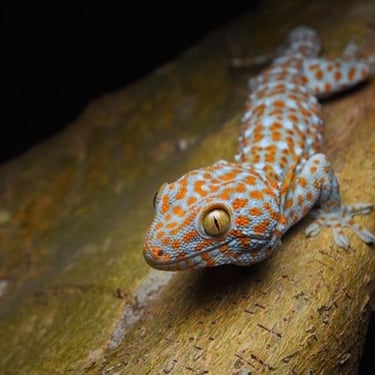
Flores is internationally recognized for its high level of endemism. Many reptiles, frogs, and geckos have evolved in isolation across the Lesser Sunda Islands, making every night walk a chance to discover species that exist nowhere else on Earth.
Incredible Biodiversity
Explore forests, rivers, limestone hills, and tropical habitats that support an impressive variety of wildlife.
Responsible Wildlife Tourism
We follow ethical wildlife observation practices that prioritize animal welfare and habitat conservation.
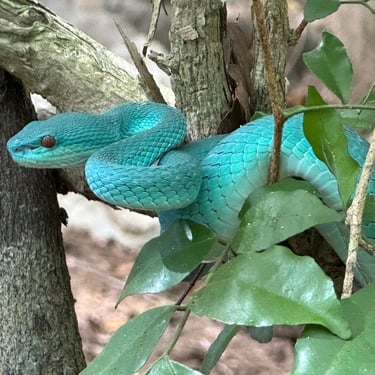
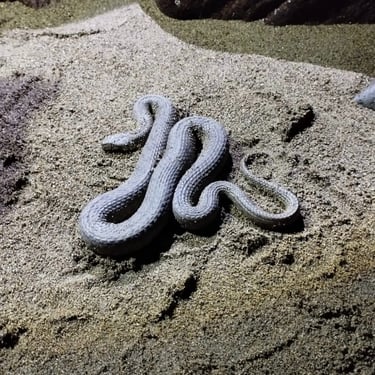
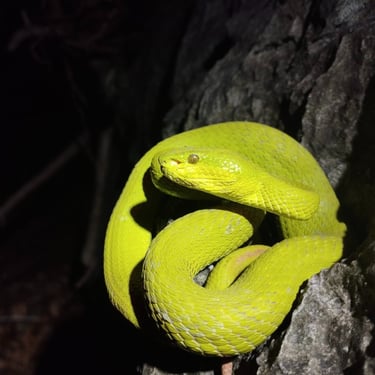
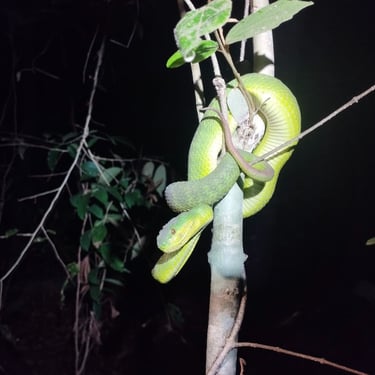
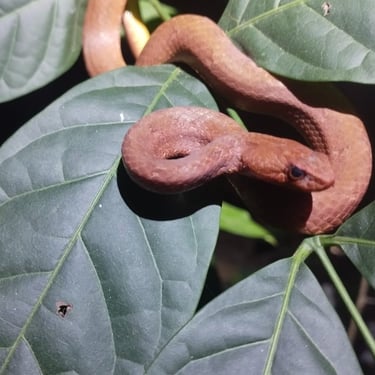
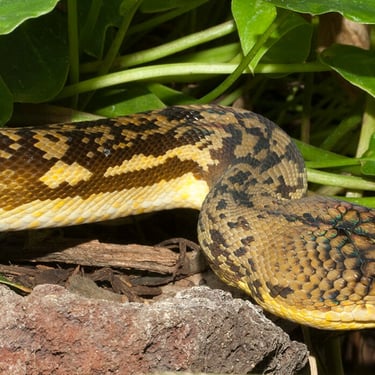
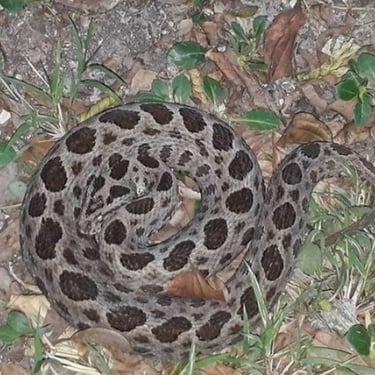
What you may Ecouter
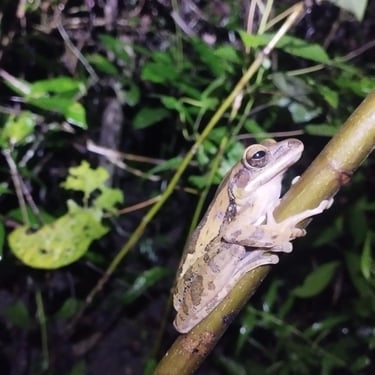
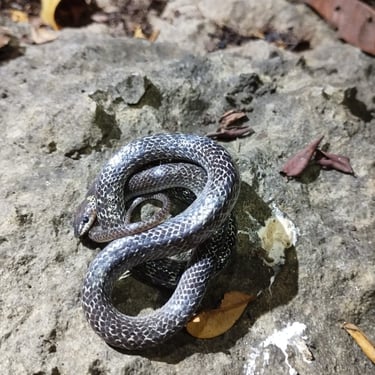
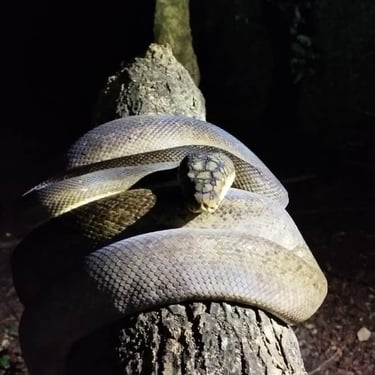
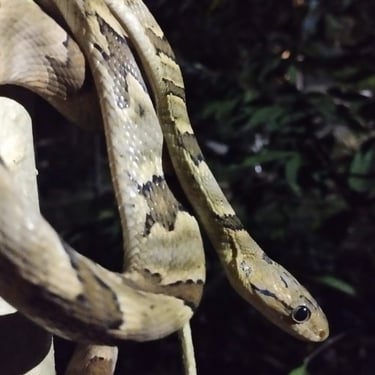
Tour Highlights
* Small Group Experience
* Local Wildlife Expert
* Ethical Herping Practices
* Night Photography Friendly
* Suitable for Beginners and Experienced Herpers
* Private Tours Available
Conservation First
Wildlife belongs in the wild.
Our guides never capture, harm, or unnecessarily handle animals. Every tour follows responsible observation practices that minimize disturbance while maximizing educational value.
Frequently Asked Questions:
Is herping safe?
Yes. Safety is our highest priority, and every tour is led by experienced local guides.
Do I need previous experience?
Not at all. Beginners are welcome.
Can photographers join?
Absolutely. Flores is an outstanding destination for macro and wildlife photography.
Will I definitely see snakes?
Wildlife sightings are never guaranteed because we respect natural behavior. However, Flores offers excellent opportunities to observe a wide variety of nocturnal species.
Meet your herping Guide
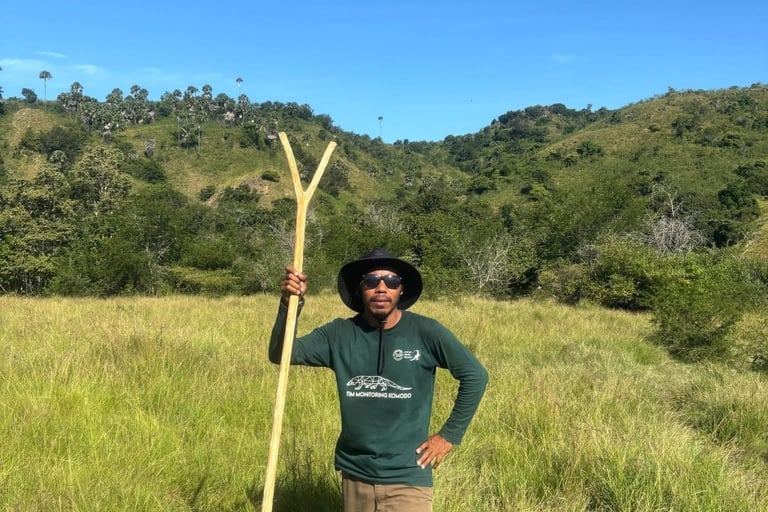
Bruno Konstan
Biologist & Herping Guide
Bruno Konstan is a biologist with over seven years of professional experience working with reptiles and conservation in Indonesia. He previously worked at Bali Reptile Park and Bali Reptile Rescue, where he developed extensive expertise in reptile identification, rescue, husbandry, and conservation education.
Since 2022, Bruno has been involved with the Komodo Survival Program (KSP), contributing to field research focused on Komodo dragon population monitoring and conservation in Flores.
Driven by a passion for biodiversity and wildlife conservation, Bruno combines scientific knowledge with years of field experience to provide safe, ethical, and educational herping experiences. Whether you’re a wildlife photographer, researcher, or nature enthusiast, he is committed to helping you discover the incredible nocturnal wildlife of Flores while promoting responsible wildlife observation.
Ready to Explore Flores After Dark?
Join us for an unforgettable wildlife adventure and discover the extraordinary nocturnal biodiversity of Flores.
Night Herping in Flores | Endemic Reptiles & Amphibians | Join Adventure Flores
Wildlife Activities and Locations
A. Batu Cermin
Batu Cermin is a protected 19-hectare geological and wildlife area in the heart of Labuan Bajo. Its karst formations and marine fossils provide evidence of Flores’ ancient underwater geological history, dating back millions of years.
Location: Labuan Bajo, West Manggarai, Flores Island
Reptiles information:Trimeresurus insularis, Lycodon capucinus, Dendrelaphis inornatus, Geckos, and monitor lizards


B. Wae Nahi Forest
Wae Nahi is a protected forest area located on the outskirts of Labuan Bajo, covering an area roughly comparable in scale to Batu Cermin. Although Wae Nahi is not yet a well-known destination for night herping, Bruno Kostan has conducted several nocturnal surveys in the area to investigate the presence and activity of reptiles after dark. During these surveys, he recorded several species in the area, including Trimeresurus insularis, Lycodon capucinus, geckos, and green vipers. The findings suggest that Wae Nahi may have good potential for nocturnal reptile observation and further field surveys.
Location: Labuan Bajo, West Manggarai, Flores
Reptiles information: Trimeresurus insularis, Lycodon capucinus, geckos, and green vipers


C. Loh Buaya Rinca Island
Loh Buaya is a protected wildlife area on Rinca Island, known for its wild Komodo dragons and diverse natural habitats. Explore savannahs, mangroves, and coastal landscapes while discovering the unique wildlife of Komodo National Park.
Location: Rinca Island, West Manggarai, Flores
Reptiles information: Varanus komodoensis, Malayopython timoriensis, Trimeresurus, insularis, Lycodon capucinus, Dog-faced Water Snake, Blue Viper, Green Viper, Spitting Cobra, and Indotyphlops braminus.
Mammals information: Macaques, Timor deer (Rusa timorensis), Wild boar (Sus scrofa), and Wild water buffalo (Bubalus bubalis)


D. Gua Kalong Rinca Island
Gua Kalong means “Bats Cave” — gua means cave, while kalong refers to flying foxes, which can be seen around the area.The area is home to a diverse range of wildlife, with many species similar to those found in Loh Buaya. However, Gua Kalong is particularly notable for the presence of Daboia siamensis, a venomous snake species recorded in the area and of particular interest to local herpetology enthusiasts.
Location: Rinca Island, West Manggarai, Flores
Reptiles information: Daboia siamensis, Malayopython timoriensis, Trimeresurus insularis
Mammals: Lesser Sunda flying fox


E. A Longer Daytime Herping/Wildlife Excursion
Wae Mese Adventure
Wae Mese Adventure is a full-day expedition deep into the heart of the wilderness-trekking through dense forest, venturing into caves, descending rugged valleys, and following the course of the river. This is more than a hike; it is a journey into the unknown, where every trail, rock, tree, and stream may reveal signs of wildlife. Along the way, we search for traces and evidence of wild species hidden in the trees, rocky crevices, caves, and waters. A raw and immersive adventure for those who are ready to explore, discover, and experience the wild up close.
Location: Warsawe, West Manggarai, Flores
Wildlife Information: Malayopython timoriensis, Flores cave fruit bats (Eonycteris spelaea), Asian water lizard (Varanus salvator), monitor lizards, and amphibians including Dammerman’s wart frog (Limnonectes kadarsani florensis).
RESPONSIBLE WILDLIFE OBSERVATION
All wildlife encounters are subject to natural conditions, weather, habitat, season and animal activity. Sightings cannot be guaranteed. We encourage respectful observation and avoid unnecessary disturbance to wildlife.
Wildlife Sightings & Field Conditions
This is a wildlife-focused field experience rather than a conventional sightseeing tour. Wildlife encounters depend on weather, season, habitat conditions, animal behavior, and other natural factors. Our itinerary and exploration time may therefore be adjusted when necessary to respond to field conditions and maximize responsible observation opportunities.
© 2024 Join Adventure Flores
JOIN ADVENTURE FLORES
Company Info:
PT. JAGA ALAM INDAH
Labuan Bajo, Flores, Indonesia
6281239163249
joinadventureflores@gmail.com








Secure Payment Methods

